
Published: 12:07 AM, 25 May 2026
Rhetoric on Women Rights and Ground Realities
Rifat Rafique Badhan
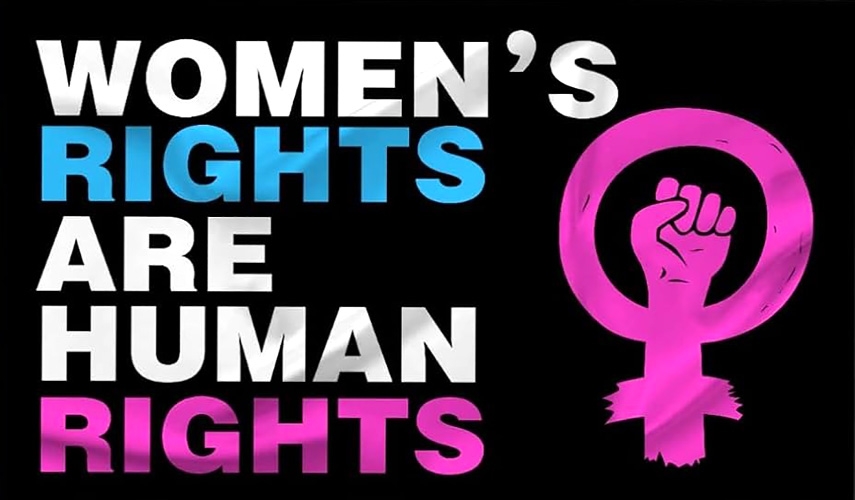
Women’s rights have become one of the most important issues of the modern world. Over the past century, women across different countries have fought for equality, dignity, education, political participation, and freedom from discrimination. Significant progress has been achieved in many societies. Women today serve as political leaders, scientists, entrepreneurs, judges, teachers, and activists. Laws protecting women’s rights have expanded globally, and awareness regarding gender equality has increased remarkably. However, despite these advancements, the ground realities faced by millions of women still remain deeply challenging.
In theory, most countries now recognize equal rights for women. Constitutions and legal systems often guarantee equal opportunities in education, employment, property ownership, and political participation. International organizations and human rights groups continuously advocate for women’s empowerment. Campaigns promoting girls’ education, workplace equality, and protection against violence have created positive social change. Yet legal recognition alone does not always ensure real equality in daily life.
One of the biggest gaps between women’s rights and ground realities exists in education. In many developing regions, girls still face barriers such as poverty, early marriage, social restrictions, and lack of security. Families struggling financially may prioritize boys’ education while expecting girls to focus on household responsibilities. Although literacy rates among women have improved globally, unequal access to quality education continues to limit opportunities for millions of girls.
Economic inequality also remains a major concern. Women contribute enormously to both formal and informal economies, but they often receive lower wages than men for similar work. Many women perform unpaid domestic labor, including childcare and household management, without financial recognition. In rural areas especially, women frequently work long hours in agriculture or family businesses while having limited control over income or property. Even in advanced economies, women remain underrepresented in senior leadership positions.
Violence against women is another harsh ground reality. Domestic violence, sexual harassment, trafficking, forced marriage, and workplace abuse continue to affect women worldwide. Many victims hesitate to seek justice due to fear, social stigma, or lack of legal support.
In some societies, cultural attitudes still discourage women from speaking openly about abuse. This creates an environment where violence can continue without accountability.
Political representation has improved in many countries, but women are still underrepresented in decision-making roles. While some nations have elected female presidents and prime ministers, the overall participation of women in politics remains lower than that of men. Social expectations, financial barriers, and discrimination often discourage women from entering political life. Greater female participation in governance is essential for ensuring that policies reflect the needs and experiences of all citizens.
Another important issue is social perception. Women are frequently judged by standards different from those applied to men. Traditional stereotypes regarding appearance, behavior, career choices, and family roles continue to influence opportunities available to women. In many societies, women face pressure to balance professional ambitions with expectations related to marriage and caregiving.
Despite these challenges, women across the world continue to demonstrate extraordinary resilience and determination. Activists, educators, professionals, and ordinary citizens are working tirelessly to challenge inequality and create a fairer society. The progress achieved so far proves that change is possible when laws, education, economic opportunity, and social awareness work together.
Ultimately, women’s rights cannot remain merely legal or symbolic concepts. Real progress requires transforming the everyday realities faced by women in homes, schools, workplaces, and communities. A truly developed society is one where women are not only granted rights on paper but are also able to live with safety, dignity, independence, and equal opportunity in practice.
Rifat Rafique Badhan writes
on domestic and
international issues.


