Published: 11:29 AM, 17 April 2026
BMU publishes groundbreaking research on young diabetes patients in Bangladesh
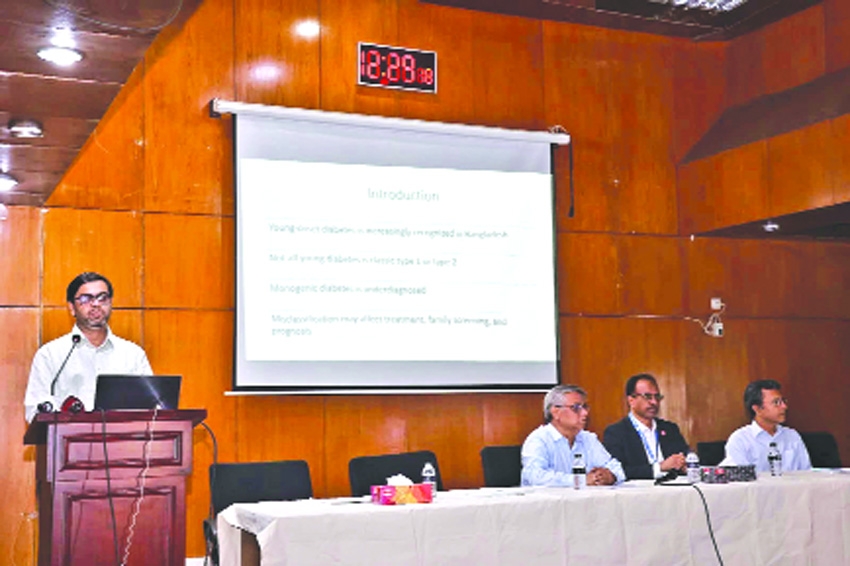
Bangladesh Medical University (BMU) on Thursday unveiled the findings of a significant research study on young diabetes patients in Bangladesh. The study revealed that one in every five young diabetes patients is affected by a special form of diabetes known as MODY (Maturity-Onset Diabetes of the Young). Medical experts emphasized the urgent need for proper identification of MODY and further genetic research to ensure accurate diagnosis and effective treatment.
At a program held at the Shaheed Dr. Milon Hall of BMU, researchers shared that among the young diabetes patients suspected of having atypical diabetes, nearly 20 percent showed genetic variations linked to MODY. These mutations were primarily found in lesser-known genes, differing from the patterns commonly observed in Western countries.
Researchers noted that it is clinically difficult to distinguish between patients who carry these genetic mutations and those who do not. They described the findings as preliminary and exploratory, stressing that further studies are required before direct clinical application. Experts explained that MODY is neither a new disease nor does it fall under the traditional categories of Type 1 or Type 2 diabetes. Therefore, identifying this condition is essential to providing appropriate treatment and protecting young patients from long-term complications.
The findings were presented at an event titled “Dissemination of Published PhD Research of Dr. Mashfikul Hasan.” The speakers highlighted that diabetes among young people in Bangladesh is increasing, yet many cases do not fit conventional diagnostic categories. This research suggests that:
The genetic pattern of diabetes in Bangladesh may differ from that of other regions of the world. Existing diagnostic methods may not be fully suitable for the Bangladeshi population. Dedicated local research and tailored solutions are urgently needed. The study has recently been published in an internationally recognized Q1 journal, underscoring its global scientific significance.
As the chief guest, BMU Vice-Chancellor Professor Dr. F. M. Siddiqui said: “Conducting this type of genetic study in Bangladesh is highly complex and challenging. However, more such research is essential for both patients and physicians, as it can make a major contribution to ensuring proper treatment.” The event was chaired by Professor Dr. M. A. Hasanat, Chairman of the Department of Endocrinology at BMU. Among others who spoke at the program were researcher Dr. Mashfikul Hasan, Professor Dr. Indrajit Prasad, and Dr. Mohammad Salimullah.
They stated that the main objectives of the event were to disseminate valuable research findings among physicians, students, and researchers, raise awareness about diabetes among young people, and encourage further research and improved patient care in Bangladesh. The speakers also noted that in some cases of MODY, diabetes can be controlled with oral medication alone, while in others, medication may not be necessary at all. Therefore, failure to diagnose this condition correctly may lead to inappropriate treatment and compromised patient care.
>>AA Emran Emon