Published: 12:04 AM, 27 April 2026
Nutrition must be placed at the centre of health systems to tackle diseases
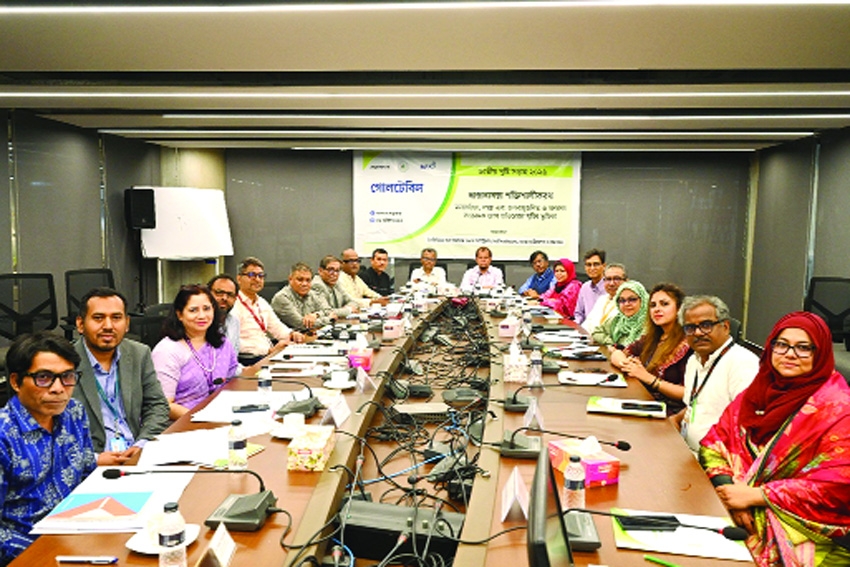
Experts at a roundtable discussion have called for placing nutrition at the core of health, climate, and development agenda of Bangladesh and for adopting multi-sectoral approach to address malnutrition.
They said tackling malnutrition is critical to combating infectious diseases and building a resilient, self-reliant nation.
The Institute of Public Health Nutrition (IPHN), Daily Samakal, and Max Foundation organised the discussion titled "Strengthening Health Systems: Nutrition as a Cross-Cutting Solution for Climate, Malaria, TB, and Other Infectious Diseases," in the capital on Sunday marking National Nutrition Week 2026, which is being observed from April 23-29, according to a press release. Speaking at the roundtable as the chief guest Bangladesh National Nutrition Council Director General Dr Md Rizwanur Rahman said despite significant progress in nutrition status, malnutrition remains a pressing issue, with stunting still affecting a substantial proportion of children.
According to him, poor nutrition undermines treatment outcomes, as the body's ability to absorb medicines and recover from illness is compromised.
Highlighting ongoing initiatives, he said the government is updating the National Nutrition Policy and working to strengthen multi-sectoral coordination, including efforts to develop a real-time, integrated information system. IPHN Director Dr Mohammed Eunus Ali and Deputy Director Dr Rawshan Zahan Akhter Alo joined the discussion as special guests while Dr AFM Iqbal Kabir, a consultant working for World Bank and Unicef previously, presented the keynote paper.
Describing nutrition as the foundation of development, Dr Mohammed Eunus Ali said nutrition has to be kept at the centre of health, climate, and development agenda of the country.
He emphasised activating nutrition-related committees at the national, district and upazila levels, saying had the committees, which is comprised of key stakeholders, worked properly, the nutrition situation of the country would have been far better.
The IPHN chief focused on the resource constraints in efforts to address nutrition and urged allocation of greater amount of fund for better nutrition services. Dr Rawshan Zahan Akhter Alo highlighted the lack of manpower,
particularly 'well-trained skilled manpower', at the grassroots level for executing nutrition activities, which, according to her, badly affect the activities. "Only one person works at the nutrition corner at some district-level hospitals," she said.
She underscored the need for better infrastructure and ensuring safety and security of the grassroots-level nutrition workers for smooth service delivery.
Delivering the keynote, Dr AFM Iqbal Kabir underscored that nutrition is not a standalone sector but a "system-wide solution" linking health systems, climate resilience, and infectious disease control.