
Published: 09:14 AM, 06 May 2026
BGMEA supports LDC graduation delay to safeguard exports
Bangladesh Garment Manufacturers and Exporters Association (BGMEA) has expressed strong support for the government's proposal to defer Bangladesh's graduation from the list of Least Developed Countries (LDCs) by three years. The organization believes that extending this timeframe will facilitate the implementation of necessary preparatory measures and reform initiatives required for a sustainable and smooth transition.
In a press release issued on Sunday, BGMEA stated that enhancing industrial capacity, undertaking policy reforms, and further strengthening the economic foundation are achievable through coordinated initiatives involving both the public and private sectors.
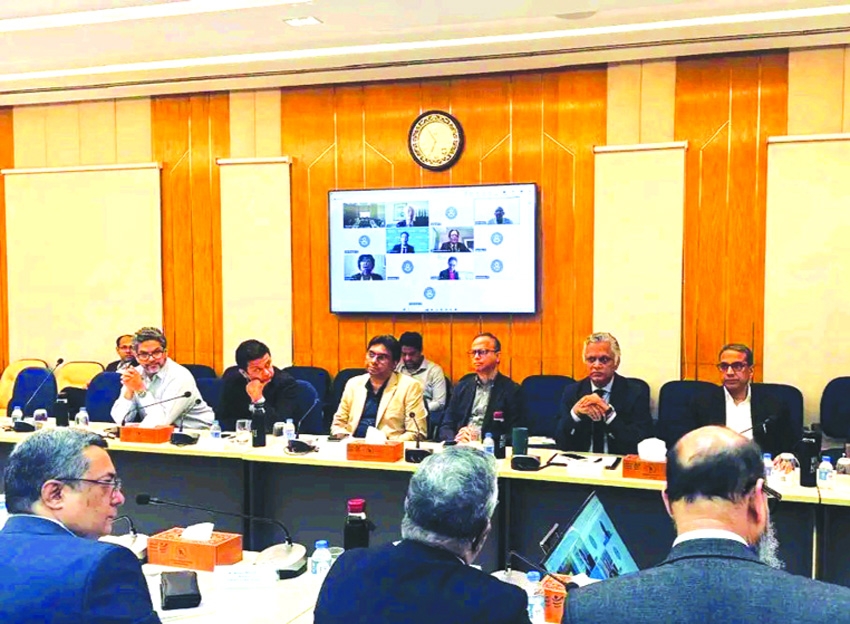
The government has already submitted a formal request to the United Nations to effectuate the LDC graduation in 2029, rather than the originally scheduled 2026. Against this backdrop, a virtual consultative meeting was held on April 29 between the Committee for Development Policy (UNCDP) and the Bangladeshi delegation.
Leading the Bangladeshi side at the meeting were Commerce Minister Khandaker Abdul Muktadir, the Prime Minister's Adviser on Finance and Planning Dr. Rashed Al Mahmud Titumir, and State Minister for Planning Md. Zunaid Abdur Rahim Saki. Senior officials from the Bangladesh Investment Development Authority (BIDA) and the Economic Relations Division were also present in the delegation.
Representing the private sector, a delegation led by BGMEA President Mahmud Hasan Khan participated in the meeting. Additionally, leaders from various business organizations presented their views during the session.
Sources indicate that during the hearing, the Bangladeshi side cited several reasons for seeking an extension of the timeframe, including gaps in preparedness, the slow pace of reform initiatives, global economic uncertainties, and the geopolitical landscape. Furthermore, challenges within the investment climate and domestic structural limitations were also highlighted. In its presentation, the BGMEA noted that there is a risk of losing duty-free market access in the future due to the safeguard conditions associated with the European Union's GSP Plus trade facility.
Moreover, a lack of sufficient Free Trade Agreements (FTAs) compared to competitor nations, along with limitations in complying with "Rules of Origin" requirements, were identified as major challenges.
The organization emphasized the importance of reducing business costs, ensuring policy stability, and fostering an investment-friendly environment.
Concerned stakeholders warned that, in the absence of adequate preparation, graduating from LDC status could negatively affect export earnings, employment, and the macroeconomy.
The private sector was strongly represented, with participation from BGMEA, led by its President Mahmud Hasan Khan and Faisal Samad, Director, BGMEA. Alongside, President of FLAXA Syed Nasim Manzur, President of BAPI Abdul Muktadir, President of DCCI Taskeen Ahmed and representatives from other business chambers were present.
In its presentation, the Government highlighted prevailing economic vulnerabilities, global uncertainties, and structural constraints affecting private investment, as well as the challenges faced by the new government in preparing for LDC graduation within a compressed timeframe.
BGMEA emphasized key sector-specific concerns, including the risk of losing preferential access to the European Union market under the GSP+ framework due to Article 29 safeguard thresholds, the absence of Free Trade Agreements (FTAs), and capacity constraints in meeting double transformation rules of origin. The lack of policy stability and reforms to reduce the cost of doing business and improve the ease of doing business, which are vital for the transitional preparedness, were strongly underscored. Concerns were also raised regarding the potential adverse impacts of graduation on exports, employment, and overall economic stability, as well as the necessity of adequate preparation time for a smooth and irreversible transition.
Before this, the Economic Relations Division (ERD) formulated a coordinated position following consultations with various stakeholders. At the conclusion of the meeting, the participants expressed optimism that this joint initiative by the government and the private sector would yield positive results in support of Bangladesh's application.


