Published: 12:09 AM, 09 May 2026
‘US intel says Iran can outlast blockade for months’
A confidential US intelligence assessment has found that Iran can survive a US naval blockade for at least three to four months before facing more severe economic strain, The Washington Post reports.
The American daily, citing four people familiar with the document, said the analysis was delivered to White House policymakers this week and suggests Tehran retains substantial resilience despite months of conflict and sanctions pressure, Reuters reports.
It noted that the findings contrast with President Donald Trump's public remarks portraying Iran as rapidly weakening under the blockade.
The Post reports that the intelligence community also assessed that Iran still holds a large stock of ballistic missiles and drone capabilities, despite sustained US and Israeli strikes.
A US official told the newspaper that the regime has successfully reopened almost all underground storage facilities and even resumed the assembly of new missiles.
This data stands in stark contrast to President Donald Trump's recent remarks in the Oval Office.
"Their missiles are mostly decimated, they have probably 18, 19 percent, but not a lot by comparison to what they had," he said on Wednesday.
Treasury Secretary Scott Bessent also argued in late April that sanctions and the blockade would soon cause "permanent damage" to Iran's oil infrastructure.
A senior US intelligence official, however, defended the administration's strategy to the Post, claiming the blockade is inflicting "real, compounding damage" and that the Iranian military has been "badly degraded".
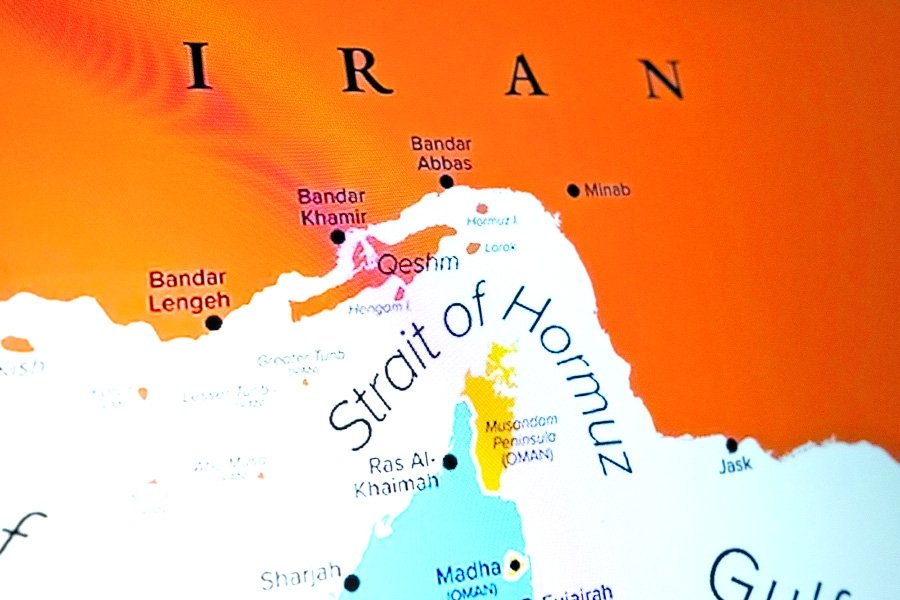
Since the war began on Feb 28, Iran has effectively shut the Strait of Hormuz, a key route for oil shipments from the Persian Gulf.
A week after the Apr 7 ceasefire, Trump imposed a blockade on Iran targeting all ships entering or leaving Iranian ports following the collapse of US-Iran peace talks in Pakistan.
Trump later launched "Project Freedom" to help commercial vessels move through the strait under US Navy protection, though he paused the mission on Tuesday citing "great progress" in peace negotiations.
Iran's foreign ministry confirmed on Wednesday that Tehran was reviewing a new US proposal to end the war and would respond through Pakistani mediators.
The newspaper said Iran's economy has been hit hard by the war, inflation and longstanding economic mismanagement.
White House spokeswoman Anna Kelly said the "Operation Economic Fury" is costing Iran $500 million daily.
As per The Washington Post, Iran is mitigating the blockade by storing oil aboard tanker ships and potentially smuggling fuel via rail through Central Asia.
Analysts suggest that Tehran's resilience may be higher than estimated, as the leadership remains determined to outlast US political will.
On military capabilities in West Asia, the confidential report notes that Iran's drones pose a persistent threat to maritime traffic.
Danny Citrinowicz, a researcher at the Institute for National Security Studies, told the newspaper: "All it takes is one drone to hit a ship and no one will give insurance".
A visual investigation by the daily also found that Iranian strikes have damaged or destroyed at least 228 structures at US military sites across the region -- a figure significantly higher than what has been publicly admitted by Washington.
While the Trump administration maintains that the war is an overwhelming victory, the intelligence analysis suggests that the regime has no immediate plans to capitulate to demands on its nuclear enrichment or missile programmes.
Citrinowicz warned on X that the conflict might ultimately leave the Iranian regime "stronger than before".