
Nirad Chandra Chaudhuri
Published: 01:28 AM, 20 January 2018
The most distinguished writer and scholar

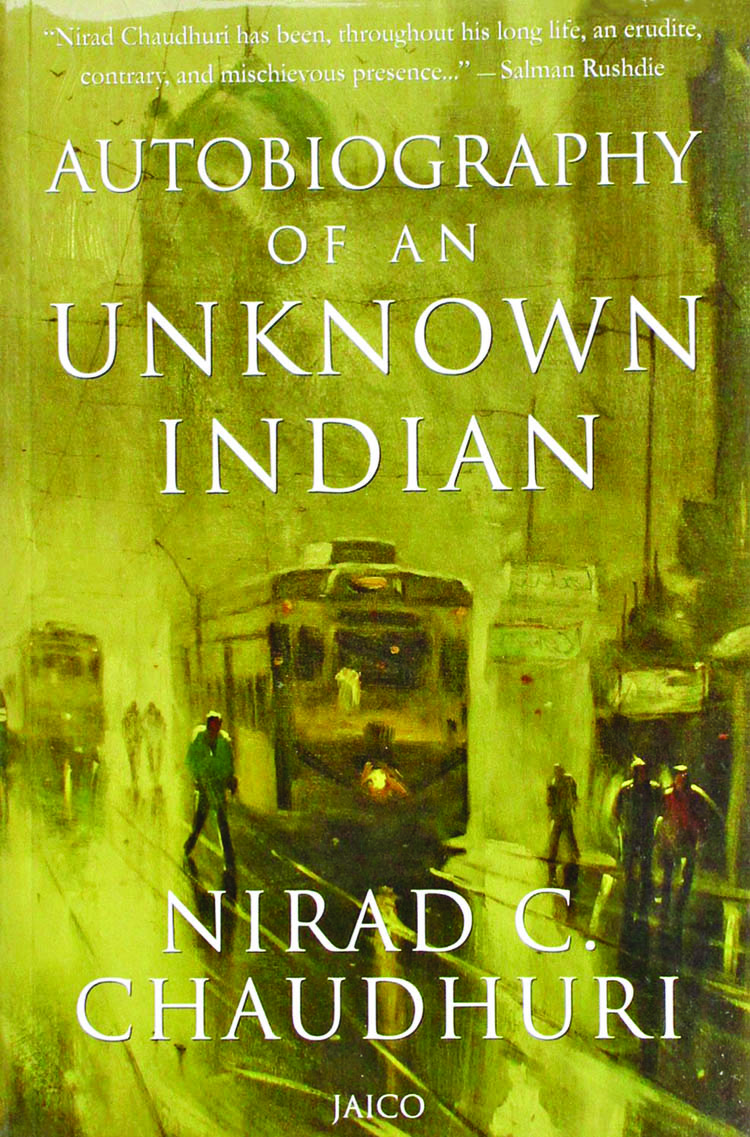
Nirad Chandra Chaudhuri was a Bengali?English writer and man of letters. He is popularly known as Nirad C Chaudhuri. He authored numerous works in English and Bengali. His oeuvre provides a magisterial appraisal of the histories and cultures of India, especially in the context of British colonialism in the 19th and 20th centuries. Chaudhuri is best known for The Autobiography of an Unknown Indian, published in 1951.
Chaudhuri was born in a Hindu family in 1897 in Kishoreganj, then part of Bengal in British India, now in Bangladesh. He was educated in Kishorganj and Kolkata (then, Calcutta). For his FA (school-leaving) course he attended Ripon College in Calcutta along with the famous Bengali writer Bibhutibhushan Bandopadhyay. Following this, he attended Scottish Church College, Calcutta, where he studied history as his undergraduate major.
He graduated with honors in history and topped the University of Calcutta merit list. At Scottish Church College, Calcutta, he attended the seminars of the noted historian, Professor Kalidas Nag. After graduation, he enrolled for the M.A. at the University of Calcutta. However, he did not attend all of his final exams, and consequently was not able to complete his MA.
After his studies, he took a position as a clerk in the Accounting Department of the Indian Army. At the same time, he started contributing articles to popular magazines. His first article on Bharat Chandra (a famous Bengali poet of the 18th century) appeared in the most prestigious English magazine of the time, Modern Review.
Chaudhuri left his position in the Accounting Department shortly after, and started a new career as a journalist and editor. During this period he was a boarder in Mirzapur Street near College Square, Kolkata, living together with the writers Bibhuti Bhushan Banerjee and Dakshinaranjan Mitra Majumder. He was involved in the editing of the then well-known English and Bengali magazines Modern Review, Prabasi and Sonibarer Chithi. In addition, he also founded two short-lived but highly esteemed Bengali magazines, Samasamayik and Notun Patrika.
In 1932, he married Amiya Dhar, a well-known writer herself; the couple had three sons. Chaudhuri dedicated The Autobiography of an Unknown Indian to 'the memory of the British Empire in India, which conferred subjecthood upon us, but withheld citizenship: to which yet every one of us threw out the challenge: 'Civis Britannicus sum' (I am a British citizen) because all that was good and living within us was made, shaped and quickened by the same British rule'. The sympathy and admiration for the British contained in the book made Chaudhuri controversial in India. Soon after the book appeared, Chaudhuri was sacked from his position in All India Radio.
In 1955, Chaudhuri was invited to England by the British Council and the BBC. The five-week trip produced A Passage to England in which he praised the British way of life and western culture. From 1970, he settled in Oxford, England and lived there until death.
Much of Chaudhuri's writing was more or less a deliberate attempt to undermine Indian nationalists. His work was first roundly abused, then ignored by Indian critics and readers. Critics called him the last British loyalist. But Chaudhuri said his backhanded criticism of the British was never understood by his countrymen. In 1997, his British publishers reprinted the Autobiography, still calling it one of the great books of the 20th century and deleting its quixotic dedication to the memory of the British Empire.
For all his failings, Nirad Chaudhuri was a superb writer of exact and precise descriptive prose. The first few chapters of the Autobiography, which describe his upbringing in rural Bengal at the turn of the century under British rule, provide a lively, insightful description and commentary on Bengali customs, family structures, and caste, as well as the relations between Hindus and Muslims and between the Indians and the British.
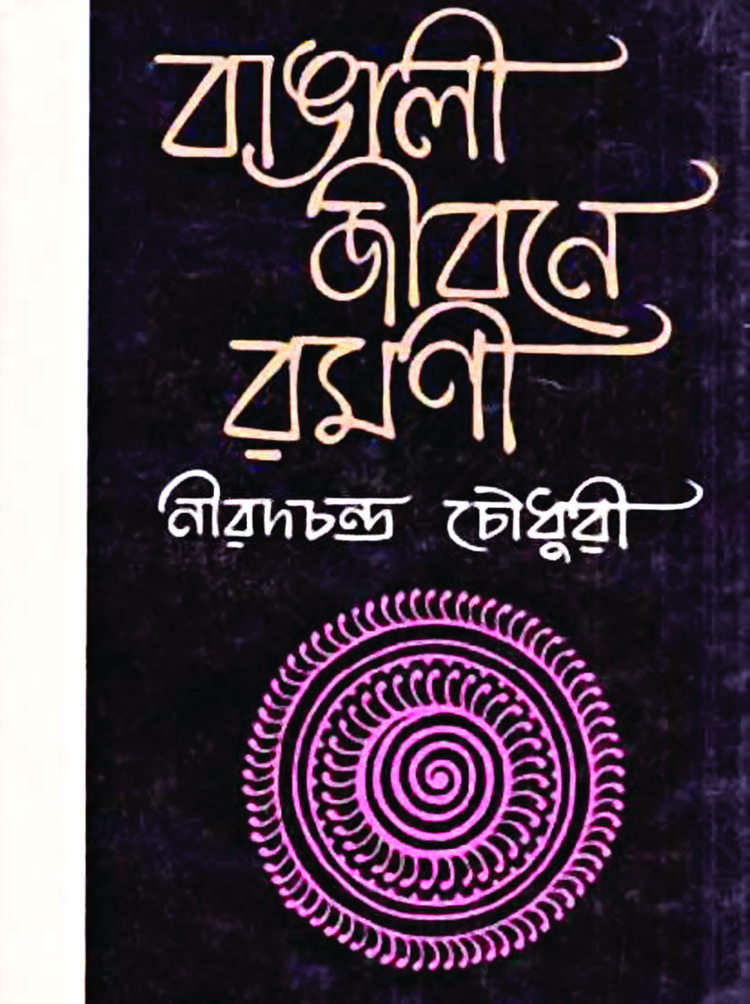
At the age of 90 Chaudhuri wrote a second autobiography entitled Thy Hand, Great Anarch. In 1997 he wrote his last book of essays: Three Horsemen of the New Apocalypse, which was an indictment of what he called India's failed leadership and a lament at the decline of the country he had adopted. Chaudhuri published his first Bangla book, Babgali Jibane Ramani (Women in Bengali Life) in 1968.
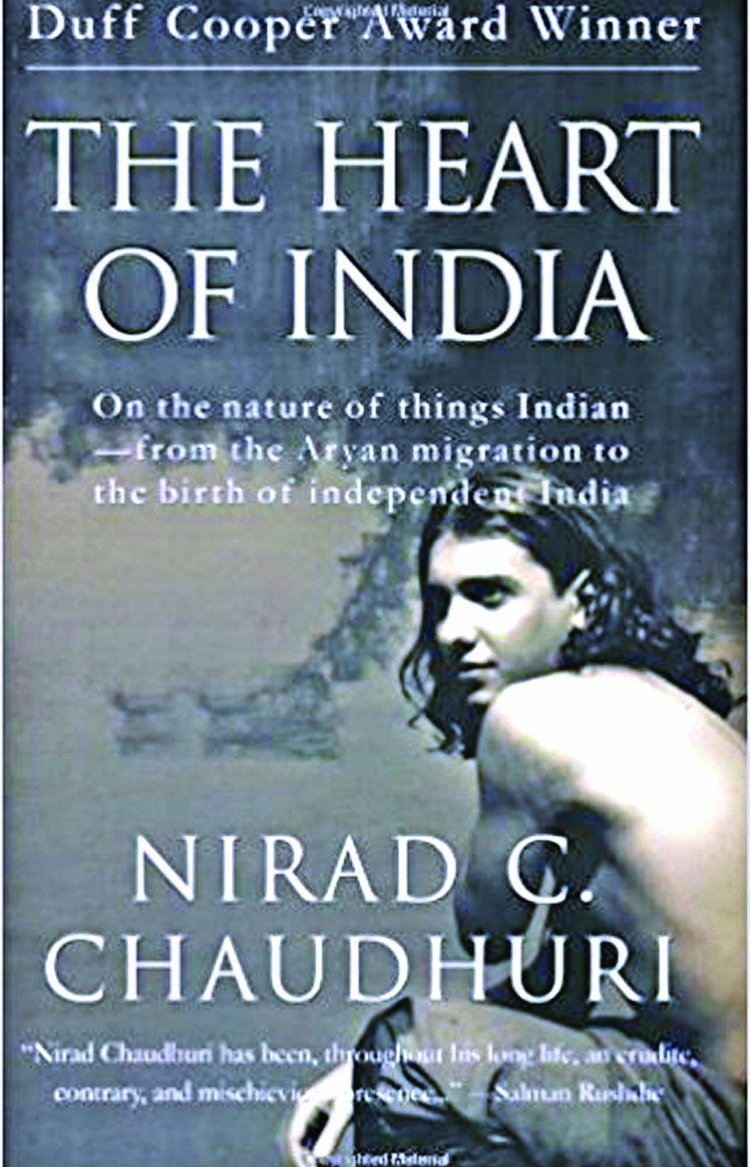
Nirad Chaudhuri received many literary awards and prizes, including the Duff Couper Memorial Award (1965), the Ananda Award (1989), the Vidyasagar Award (1997) etc. Oxford University honored him with an honorary DLitt degree in 1989. He died in Oxford, three months short of his 102nd birthday, in 1999. After his death, his son who is a renowned economic historian, gifted Chaudhuri's books and paintings to Calcutta Club which has opened a Nirad C Chaudhuri Corner in his honor.


