
Published: 12:19 AM, 05 September 2023 Last Update: 05:39 AM, 05 September 2023
Emphasis Should Be Laid on Proper Sanitation Management
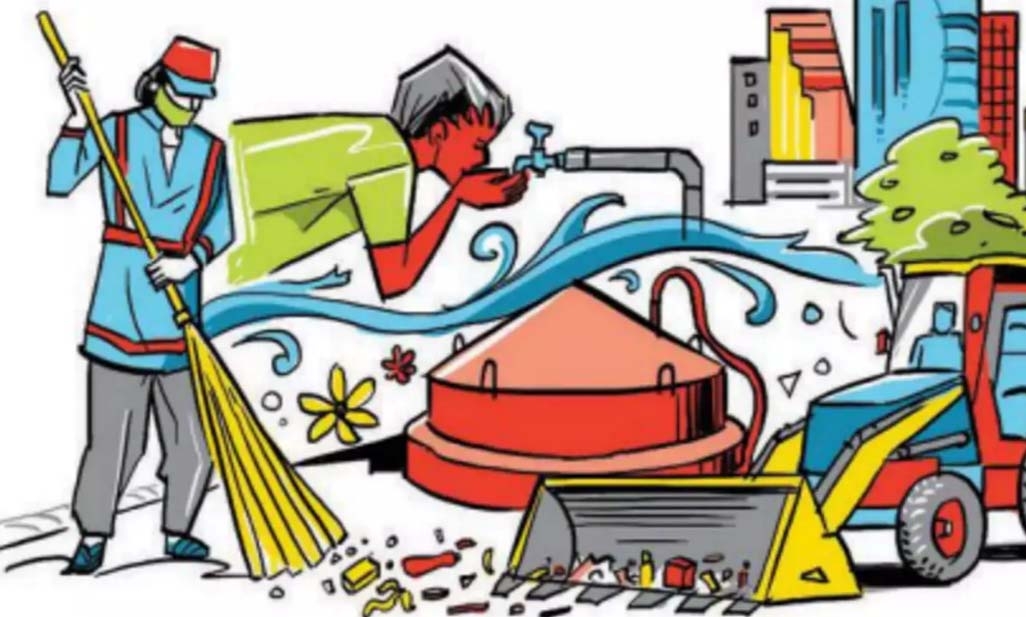
Sanitation is the public health system of safe drinking water and proper disposal of human waste and used water. Prevention of human contact with excreta is also a part of sanitation. The main objective of sanitation system is to maintain good health of people by creating a clean environment to prevent microbial infections. For example, diarrhea is a major cause of child malnutrition that can be reduced through improved sanitation. In areas where the sanitation system is weak, apart from diarrhea, other diseases such as cholera, hepatitis, polio, helminthes diseases etcetera spread easily.
A wide range of sanitation technologies and measures exist. Various government and private organizations are continuing their activities in this field. For example, sustainable sanitation, emergency sanitary latrines, container based sanitation, eco-sanitation etc. are prominent examples of such measures. Sanitation measures are defined as the proper disposal, storage and where necessary, recycling of human waste and used water.
The process by which human waste and used water are recycled and reused is called the 'Sanitation Value Chain' or 'Sanitation Economy'. Different stages of sanitation are defined to compare the sanitation status in different countries. The World Health Organization's integrated monitoring campaign on open defecation, which began in 2016, has identified the stages of sanitation as 'poor', 'limited', 'normal' and the highest stage, 'safe system'.
These adjectives are applicable only in developing countries. In 2010, water and sanitation were recognized as human rights by the United Nations General Assembly. Sanitation is also a global development priority and part of Sustainable Development Goal 6. Research has revealed that about four and a half billion people in the world still do not have access to safe sanitation.
Lack of improved sanitation not only threatens public health but also undermines human dignity and personal safety. Proper sanitation systems create a barrier between people and human waste that breaks the cycle of disease transmission in the community. One of the key challenges in this regard is building sustainable sanitation systems, especially in developing countries.
To maintain the continuity of the sanitation system there are many things to note such as; technical facilities, institutional facilities and social aspects. Sanitation system infrastructure must be adapted to the user's condition and the facility constraints of the area. Waste management in urban and rural Bangladesh is a major challenge for the government. Bangladesh has made significant progress in curbing open defecation. However, ensuring healthy sanitation remains a challenge.
But if there is no safe management of excreta, there is a risk of illness and even death of the child. One out of every four pit toilets is unsanitary and polluting the environment as they do not have lids. Sanitation is directly related to diarrhea and stunting in children. Although most schools in Bangladesh have toilets, only 24 percent of them are improved, usable and clean.
The sanitation system is often destroyed by natural calamities like floods and cyclones. It overflows the toilet and pollutes various sources of drinking water. There are some problems in establishing sustainable sanitation systems in urban slums, island areas, hilly and coastal areas and wetlands. Lack of proper sanitation and cleanliness in Bangladesh causes a loss of 4.2 billion dollars annually. On the other hand, according to the calculations of the World Bank, if you invest in the sewage system, you will get about 2.3 times more benefits.
A central infrastructure can be developed in sanitary system such as drainage system, canal system, sewage disposal system and designated land for disposal of waste. These infrastructures will be used for wastewater and other solid waste disposal. Sanitation-technology can also be prepared for easy use at specific locations. Such technology can be used for pit latrines or waterless toilets.
The entire system needs to be focused on providing sanitation to the people. For example, proper management of toilets, waste water disposal system and garbage. Users, human waste and waste water collection systems, waste removal and proper management and recycling or disposal are all included in the sanitation chain. Adequate sanitation along with improved hygiene and safe water are of immense importance in maintaining good health for any social and economic prosperity.
Due to lack of good sanitation various diseases spread. Most of the diseases arising from sanitation are directly related to poverty. Lack of clean water and poor sanitation allow many diseases to grow and spread. Inadequate sanitation is responsible for 4.0 percent of deaths and 5.7 percent of disease worldwide.
Lack of sanitation is a serious problem affecting most developing countries. This situation can create considerable public health risks, such as sewage contaminating drinking water and causing fatal forms of diarrhea in children. Improved sanitation and proper hand washing and water purification practices can prevent child deaths and provide healthy lives for children.
Hygiene promotion is a planned approach to enable people to change their habits to reduce and prevent diseases related to water, sanitation and hygiene. According to the United Nations Development Program’s Human Development Report, progress on sanitation targets is slow and there is a large gap between achievable targets and reality. There are numerous reasons for this gap. One of the main reasons is that sanitation, being a fundamental issue, is not given as much attention as other issues. Sanitation is not given as much importance in international programs as other related projects.
Sanitation is essential for a healthy life. In many cases, the provision of sanitation facilities alone cannot guarantee good public health. Recent studies suggest that hygiene practices contribute to the provision of sanitation facilities as well as affecting sanitation-related diseases. Hence promotion of hygiene is an important part of sanitation and is also a key component in maintaining good health.
Md. Arafat Rahman is a
columnist and an official of
Southeast University, Dhaka.
Md. Arafat Rahman is a
columnist and an official of
Southeast University, Dhaka.


