
Published: 12:37 AM, 01 May 2026
UAE oil break exposes deepening Saudi rift as Gulf power shifts
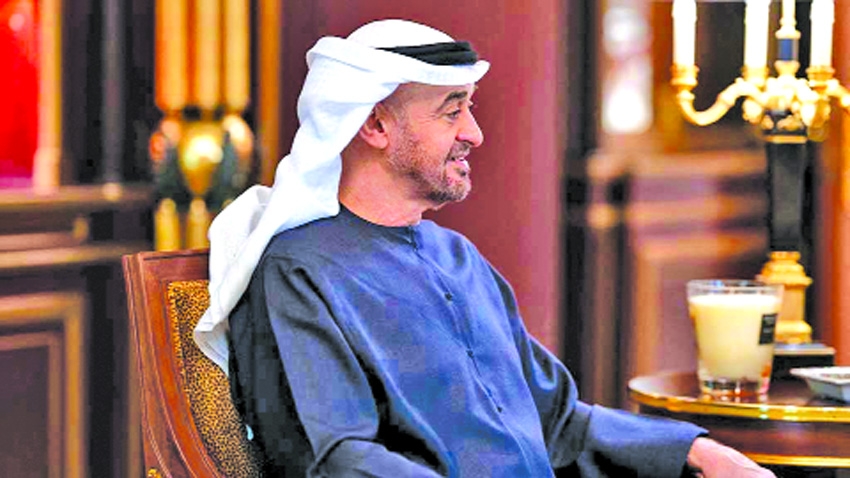
The United Arab Emirates' decision to quit OPEC and OPEC+ has brought years of tensions with Saudi Arabia out into the open, marking a strategic break with Saudi-led oil governance in a rebalancing of power shaped by the Iran war. Political analysts and regional experts said the move to leave the groups of oil-producing nations, announced on Tuesday, was more than just a dispute over OPEC oil output quotas that Gulf sources say Abu Dhabi sees as tilted against the UAE, Reuters reports.
It is also part of a deeper rupture in ties in which Abu Dhabi is prioritising autonomy over deference to Riyadh, they said, and using oil as a tool to express its autonomy and show it will not be dictated to.
The rupture, they said, goes beyond policy into the personal and strategic core of the relationship between UAE President Mohammed bin Zayed and Saudi Crown Prince Mohammed bin Salman.
"There is something seriously happening in the Saudi-UAE relationship...a much more serious rift than we think," said Fawaz Gerges of the ?London School of Economics.
"What we're seeing now is a kind of breakdown between the two most powerful leaders in the Gulf."
Gulf sources with knowledge of the UAE move called it the culmination of a strategic break with Saudi-led oil governance driven by years of divergence over conflicts in Yemen and Sudan, energy quotas and competing visions of the Gulf order.
The UAE will be able to assert direct control over how it deploys spare oil capacity, stripping away assumptions that Gulf energy policy remains anchored in Riyadh or bound to Saudi primacy, the sources said.
UAE analyst Abdulkhaleq Abdulla said the move by a "new, more assertive UAE" had been shaped partly by the regional war and partly by a reassessment of national interests.
OPEC today bore little resemblance to the cartel the UAE joined six decades ago, he said, describing a system that was now effectively steered by its largest producers.
"Saudi Arabia and (OPEC+ member) Russia are dictating and manipulating (decisions)...they are doing everything to advance their own interests at the expense of others. They're not listening to anybody," he said.
The U.S.-Israeli war against Iran has heightened regional instability, with Tehran firing on Gulf countries with U.S. military bases and largely closing the Strait of Hormuz, a major artery for shipping global energy supplies.
The conflict has increased economic pressure on the UAE, giving it a bigger incentive to break free of the constraints of OPEC oil output quotas, the sources said.
Rigid energy quota systems had become increasingly misaligned with reality in a region facing instability, supply risks and a persistent threat of disruptions to energy flows, said Ebtesam Al-Ketbi, president of the Emirates Policy Center.
As a result, she said, the UAE was sending clear signals: "It will not mortgage its (production) to Saudi Arabia and decisions...It will not be beholden to its rules."
She said the UAE was "exiting a complete model of oil market management" and repositioning itself as "one of the architects of that system, not merely one of its members."
Asked to respond to queriesabout this article, the UAE foreign ministry said the assertions in the questions did not accord with the facts.
It reiterated a statement on Tuesday from the Energy Ministry, which said the UAE's decision was carefully considered and followed a comprehensive review of its production policy, as well as its current and future capacity. It said the decision was based on national interests and a commitment to contributing effectively to meeting the market's pressing needs.
A UAE official also said an extraordinary Gulf summit held in Saudi Arabia on Tuesday to tackle the regional crisis was "a first good step in the right direction," adding, "There is still much to be done against a precarious backdrop."
On multilateral bodies, the official said the UAE was revising "the relevance and utility" of its role and contributions across the board.
"At this time, it is not considering any withdrawals," he said, referring to reports suggesting that the UAE may pull out of the Arab League and other organisations.


