Published: 12:17 AM, 21 May 2026
Mass Media Under Pressure
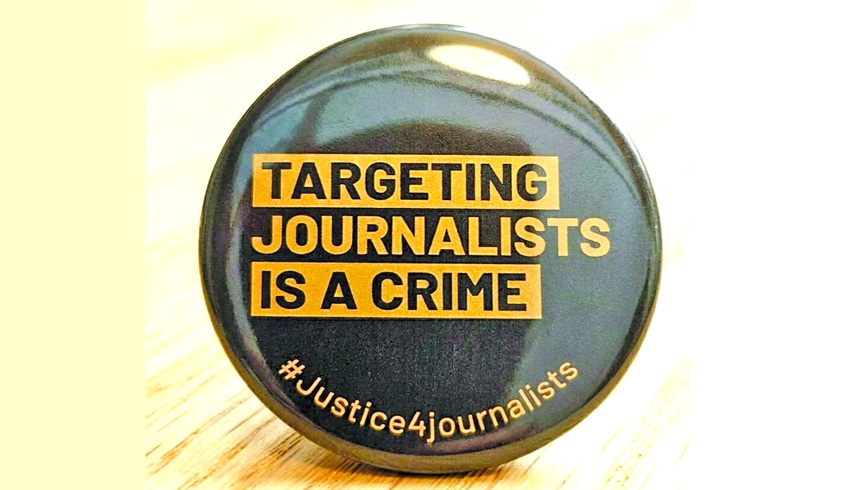
Mass media plays a vital role in every democratic society. Newspapers, television channels, radio stations, and online news platforms inform people about current events, expose corruption, and create public awareness. In Bangladesh, mass media has contributed greatly to education, social development, and political consciousness. However, in recent years, the media in Bangladesh has faced increasing pressure from political, economic, and social forces. These pressures have raised serious concerns about freedom of expression and the independence of journalism.
One of the major challenges facing mass media in Bangladesh is political pressure. Many media organizations are influenced by political parties or powerful groups. Journalists who criticize government policies or expose corruption sometimes face threats, legal actions, or harassment. As a result, some reporters practice self-censorship to avoid trouble. When journalists cannot report freely, the public does not receive complete and accurate information. This weakens transparency and accountability in society. During the reign of the immediate past interim government, hundreds of journalists were accused in various criminal cases indiscriminately. Even around 100 journalists were framed in murder cases. Many journalists were arrested and imprisoned. Some journalists have been released of late but a lot of media professionals are still inside jail while their court proceedings are going on at a very slow pace.
Attempts are also being made to gobble up newspapers and to crack down on print media over different excuses. It should be noted that most of the newspapers worldwide have reduced their print volumes because readers find it easier to go through news coverage online by means of cell phones or laptops. Many newspapers in Bangladesh also have curtailed their number of printed copies but this situation should not be capitalized on for repressing newspaper entrepreneurs and editors unlawfully. This is just another form of mob terror which jeopardizes freedom of press and it imperils the safety of media professionals, their livelihoods and survival. Another vice is tagging newspapers with political fronts illegitimately which was rampant during the interim government's tenure and it's still going on viciously. Prime Minister Tarique Rahman is working tirelessly to restore democracy, accountability, peace and equal rights but reaching these lofty objectives can't be implemented without ensuring a sound and solid environment for news outlets to work without fear.
Putting media entrepreneurs in trouble hammers the whole news industry and it causes damage to democratic progress and it pollutes economic and political circumstances too. Intelligence officials wanted to abduct The Asian Age Chairman during the ousted regime for publishing reports on corruption in the banking system. Branded oligarchs and bank monsters filed fabricated defamation cases against The Asian Age Chairman and Publisher and miscreants threatened to stop The Asian Age publication during November 2019. State organs like institutions to combat corruption were misused during the interim government's term for extortion purposes and to exploit newspaper owners. Such witch hunting is still prevailing which deserves immediate attention from the government. Constructive criticism is no crime. In the United States, a number of newspapers and media agencies heavily denigrate US President Donald Trump but the US President is not taking revenge on journalists. A syndicate of newspaper owners who were articulators in the 1/11 intrigue, did not come up to support truthful and honest news outlets when evil quarters wanted to strangulate the voice of authentic journalism. The Asian Age was also tormented by not providing government supplements to the newspaper in a totally unacceptable manner.
Another significant issue is the use of laws related to digital communication and cyber security. While governments have the right to maintain law and order, some laws are criticized for being too strict and limiting freedom of speech. Journalists, writers, and social media users sometimes fear arrest or legal punishment for expressing opinions online. This fear creates an environment where people hesitate to speak openly about important national issues.
Economic pressure also affects the independence of mass media in Bangladesh. Many newspapers and television channels depend heavily on advertisements and business support. Large corporations and political sponsors often influence editorial decisions. In some cases, media outlets avoid publishing sensitive news that may upset advertisers or influential individuals. Financial difficulties have also caused many journalists to work with low salaries and limited job security, making them vulnerable to outside pressure.
The rise of social media has created both opportunities and challenges for journalism in Bangladesh. Online platforms allow people to share information quickly and express opinions freely. Citizen journalism has become popular, especially among young people. However, social media has also increased the spread of misinformation, fake news, and online propaganda. False information can create confusion, political tension, and social unrest. Professional journalists now face the difficult task of maintaining credibility in a highly competitive digital environment.
Despite these challenges, many journalists in Bangladesh continue to work courageously. Investigative reporters often risk their careers and personal safety to uncover corruption, crime, and social injustice. Their efforts help protect democracy and public rights. Independent journalism remains essential for ensuring good governance and informed citizenship. Without a free and responsible media, ordinary people may lose their ability to question authority and demand justice.
Dr. Iftekharuzzaman, Executive Director of Transparency International Bangladesh (TIB) said "The safety of journalists is another growing concern. Some reporters face physical attacks, intimidation, or threats while covering political events or sensitive topics. Rural journalists are often more vulnerable because they may lack legal protection and institutional support. Such incidents discourage young people from joining the journalism profession and create fear within the media community."
Education and professional training are important for improving the quality and independence of journalism in Bangladesh. Journalists need proper training in ethics, fact-checking, and digital security. Media organizations should also promote responsible reporting and avoid sensationalism. Ethical journalism helps build public trust and strengthens democracy.
Professor Anu Muhammad, Jahangirnagar University said "The government, media owners and civil society all have responsibilities in protecting press freedom. The government should ensure that laws do not unfairly restrict freedom of expression. Media owners should respect editorial independence instead of using media outlets for political or business interests. Citizens should support truthful journalism and avoid spreading false information online."
Barrister Rumeen Farhana said "A healthy democracy cannot survive without a free and independent press. Mass media acts as the voice of the people and the watchdog of society. When the media operates under pressure, democracy itself becomes weaker. Bangladesh has made significant progress in many areas of development, and a strong, independent media can contribute further to national growth and stability."
In conclusion, mass media in Bangladesh faces pressure from political influence, restrictive laws, economic dependence, and social challenges. These pressures threaten freedom of expression and independent journalism. However, courageous journalists and responsible citizens continue to defend the importance of truthful reporting. To build a democratic and informed society, Bangladesh must ensure greater protection, freedom and support for its mass media.