Published: 12:28 AM, 03 June 2026
Tofail Ahmed: From Uprising to Nationhood
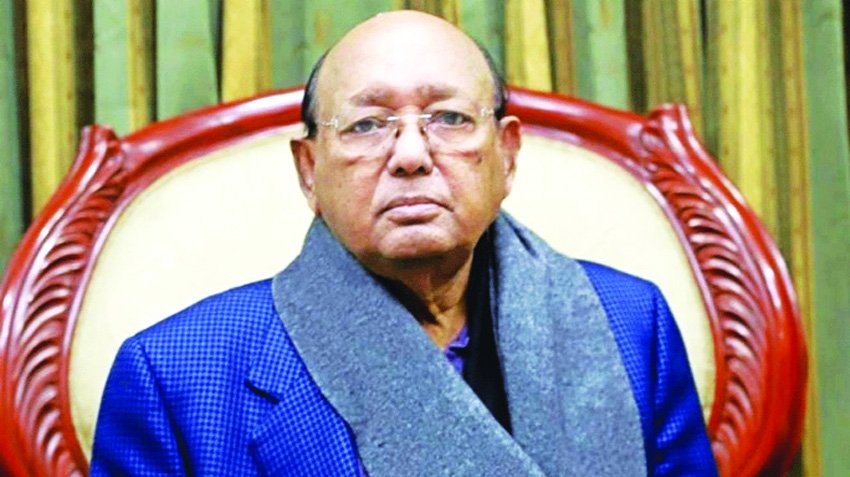
The great hero of ’69 and an unforgettable architect of Bangladesh’s destiny!!!
Tribute to Tofail Ahmed
The voice that stirred a nation's soul
Now rests beyond the evening sky;
Yet through Bengal's immortal scroll,
His name shall never fade nor die.
He marched when freedom's dawn was dim,
And raised hope's torch through storm and strife;
The dreams of millions walked with him,
A patriot's heart, a noble life.
O Hero of the glorious Sixty-Nine,
Your legacy shall forever stand;
A radiant star that still shall shine
Across the skies of Bangladesh, our land.
May Allah grant you endless peace above,
Where brave hearts find eternal light;
And may your memory, forged in love,
Inspire our nation day and night.
The passing of Tofail Ahmed on 1 June 2026 marks the end of a remarkable chapter in the political history of Bangladesh.
Nations produce many leaders, countless activists, and numerous public figures, but only on rare occasions do they produce a great hero—a figure whose name becomes inseparably intertwined with a defining moment in a nation's struggle for freedom and dignity. Tofail Ahmed was one such extraordinary individual.
For generations of Bangladeshis, his name evokes the unforgettable memories of the historic Mass Uprising of 1969. He was not merely a participant in that movement; he was its most recognizable face, its commanding voice, and its youthful inspiration. History will forever remember him as the “Great Hero of ’69,” a title earned not through inheritance or privilege but through courage, sacrifice, and unwavering commitment to the aspirations of an oppressed people.
The road to Bangladesh's independence was not paved overnight. It was forged through successive struggles—the Language Movement of 1952, the United Front election of 1954, the Education Movement of 1962, and the countless acts of resistance against Pakistani authoritarianism.
Yet among these milestones, the Mass Uprising of 1969 occupies a uniquely transformative place. It shattered the foundations of Ayub Khan's military dictatorship and paved the way for the emergence of Bangabandhu Sheikh Mujibur Rahman as the undisputed leader of the Bengali nation.
At the center of that historic upheaval stood Tofail Ahmed.
Had the movement of 1969 failed, had Bangabandhu remained imprisoned in Pakistan's notorious jails, had the Agartala Conspiracy Case not collapsed under the weight of public pressure, the history of Bangladesh might have taken an entirely different course.
The liberation of Bangabandhu on 22 February 1969 was not merely the release of a political prisoner; it was the liberation of a nation's hope. The movement that achieved that victory was led by courageous student leaders, among whom Tofail Ahmed emerged as the foremost symbol.
The story of Tofail Ahmed's political journey is also a story of friendship, loyalty, and youthful idealism.
Long before he became a national icon, he was a young scout from Barishal attending the Scout Jamboree in Chattogram in 1962. There he formed friendships that would endure throughout his life.
Those early years revealed the qualities that later defined him: organizational brilliance, personal warmth, and a remarkable ability to connect with people from every corner of the country.
Every successful political figure attracts both admiration and hostility. Those who play decisive roles in shaping history inevitably become targets of criticism and revisionism. Tofail Ahmed was no exception.
Particularly after the tragic assassination of Bangabandhu Sheikh Mujibur Rahman in August 1975, efforts emerged to politically diminish many of Bangabandhu's closest associates.
Allegations were raised, narratives were constructed, and historical distortions were circulated.
Yet no amount of revisionism can erase the undeniable reality that Tofail Ahmed stood among the most trusted and effective organizers of the independence movement and the early years of Bangladesh.
His greatness did not rest solely upon grand speeches or revolutionary slogans. It was equally reflected in his humanity.
Those who worked closely with him often speak of his extraordinary care for colleagues, activists, and party workers.
During election campaigns and political tours, he paid meticulous attention to the welfare of ordinary workers, ensuring that their needs were met and their sacrifices appreciated.
Such qualities rarely make headlines, yet they reveal the true character of a leader.
Leadership is not measured only by one's ability to command crowds. It is measured by one's willingness to serve others, especially during difficult times. By that standard, Tofail Ahmed possessed qualities that distinguished him from many of his contemporaries.
The generation that led Bangladesh to independence has gradually been departing from the stage of history.
With each passing year, the nation loses another witness to its most glorious and turbulent era. As these giants leave us, an uncomfortable question becomes increasingly unavoidable: Has Bangladesh adequately honored those who sacrificed so much for its birth?
Many distinguished leaders of the Liberation War and the democratic struggles that preceded it have not received the recognition they deserved.
Some were celebrated briefly before being forgotten. Others endured political persecution or historical neglect.
Tofail Ahmed's life reflects this broader national failure. Despite his immense contributions, many would argue that the honors accorded to him never fully matched the magnitude of his service.
Yet perhaps the greatest tribute to Tofail Ahmed lies not in medals, titles, or official ceremonies. His true monument stands in the pages of history itself.
Every discussion of the Mass Uprising of 1969 inevitably returns to his name. Every reflection on the emergence of Bangabandhu's leadership recalls his role. Every serious examination of Bangladesh's journey toward independence encounters the indelible imprint of his contributions.
No political figure is without flaws. Every human being carries imperfections, makes mistakes, and experiences moments of failure. Tofail Ahmed was no exception. But history ultimately judges individuals not by isolated errors but by the totality of their contributions.
Measured by that standard, his legacy remains immense.
He was a courageous student leader who challenged dictatorship. He was a trusted associate of Bangabandhu. He was a freedom fighter in spirit and action.
He was an accomplished organizer whose political skills helped mobilize an entire generation. Above all, he was a patriot whose life's work became inseparable from the struggle for Bangladesh's freedom and democratic aspirations.
As the nation mourns his passing, it should also celebrate his achievements.
Future generations deserve to know that when the Bengali people rose against oppression in 1969, a young leader named Tofail Ahmed stood at the forefront of that historic awakening. They deserve to know that the path to independence was illuminated by men and women whose courage transformed dreams into reality.
Tofail Ahmed has departed from this world, but the echoes of his voice continue to resonate through Bangladesh's history. The great hero of 1969 now belongs to eternity.
His mortal journey has ended, but his place in the nation's collective memory remains secure.
May Almighty Allah grant him forgiveness, mercy, and eternal peace. And may Bangladesh never forget one of the towering heroes who helped shape its destiny.
Anwar A. Khan is a freedom fighter who
writes on politics and contemporary issues.