
Published: 12:21 AM, 06 June 2026
The future is built today: Integrating Sustainability into Business Operations
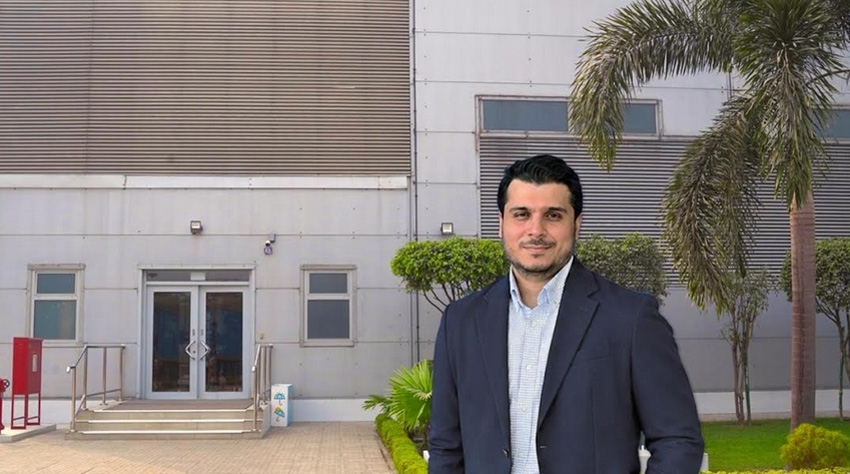
Pinaki Roy
In today’s world, sustainability feels less like a corporate aspiration and more like a necessity for survival, especially for a climate-vulnerable country like Bangladesh.
Nature survives through balance. It adapts, regenerates, and wastes little. Increasingly, businesses are recognizing that long-term growth demands the same mindset. Sustainability today is no longer separate from business resilience; it is becoming central to how organizations prepare for the future.
Having spent much of my career in manufacturing and supply chain, I have had the opportunity to see firsthand how sustainability moves beyond strategy and becomes part of everyday practice. While sustainability is often discussed in terms of targets and commitments, its real impact is created through countless decisions made on the ground; how resources are managed, how processes are designed, and how people approach their work every day.
Sustainability is often associated with large-scale capital investments like new technologies, infrastructure upgrades, or energy systems. Over the years, I have come to appreciate that the most enduring impact frequently comes from the daily ways of working that shape behaviors on the ground. When sustainability is embedded into standard operating procedures, decision-making frameworks, and employee mindsets, it becomes self-sustaining rather than project driven. Simple, disciplined practices, such as eliminating waste at source, optimizing resource use, and maintaining equipment to peak efficiency, create cumulative gains that persist long after a one-time investment is made. These actions not only improve operational resilience but also reduce environmental footprint. In this way, organizations that integrate sustainability into their routines build resilience and continuity, ensuring that progress is not dependent on periodic funding cycles but is driven by consistent, collective action.
Water stewardship is one such example. As industries increasingly face pressure on natural resources, responsible water management has become essential. I have seen how structured approaches to water governance, recycling, and efficient consumption can help reduce dependency on freshwater resources while strengthening operational resilience. By reducing water withdrawal, improving water quality, and promoting responsible resource use, such efforts can help safeguard biodiversity and support the long-term health of the communities and environments that depend on these shared resources. It is encouraging to see organizations raising the bar in this space, and I am proud to represent a company that has achieved Alliance for Water Stewardship (AWS) certification for all our manufacturing sites; currently the only company in Bangladesh to receive this recognition.
The transition toward cleaner energy is equally important. From an FMCG perspective, clean energy is increasingly a driver of operational efficiency and business continuity. As renewable energy solutions become more cost-competitive than traditional fossil fuels, they offer a structural advantage in lowering long-term energy costs across manufacturing and supply chains. At BAT Bangladesh I have witnessed continued expansion of the use of renewable energy solutions, including the installation of solar panels within operations. The adoption of clean energy in our supply chain has now extended to supplier facilities as well. These initiatives reflect a growing recognition that reducing environmental impact and improving long-term operational resilience must go hand in hand. In markets where climate risks, such as floods, heatwaves, or energy supply disruptions are closely linked to unstable power systems, clean and decentralized energy sources enhance reliability and reduce exposure to external shocks. For FMCG operations that depend on uninterrupted production and distribution, this translates into greater resilience, predictable costs, and sustained service to consumers, even in the face of growing environmental uncertainty.
The same philosophy extends to waste management. In my experience, well-run operations do not view waste simply as an output to be disposed of. Instead, they focus on minimizing waste generation, maximizing recovery, and ensuring materials are managed responsibly throughout their lifecycle. More than 99% of operational waste generated across BAT Bangladesh operations was recycled or recovered through structured waste segregation, composting, and certified recycling partnerships. Even during periods of operational transition and factory consolidation, circularity remained embedded within planning processes through material recovery and controlled disposal systems.
These experiences have reinforced a simple belief: sustainability is most effective when it becomes part of everyday decision-making. The strongest operations are often those where sustainability is integrated into routine processes, influencing decisions both large and small.
Perhaps that is the greatest lesson nature offers us. Sustainability is not about isolated action but about interconnected systems working together to endure, regenerate, and grow.
On the occasion of World Environment Day, the challenge before businesses is not simply to become greener. It is to embed sustainability into the way they operate every day. Because when sustainability becomes part of how decisions are made, it creates lasting value for businesses, communities, and future generations alike.
The writer is Factory Manager, BAT Bangladesh


