
Published: 12:05 AM, 23 November 2026 Last Update: 12:07 AM, 23 November 2026
Lessons on Humanity Can Be Imparted Through Artistry and Poems
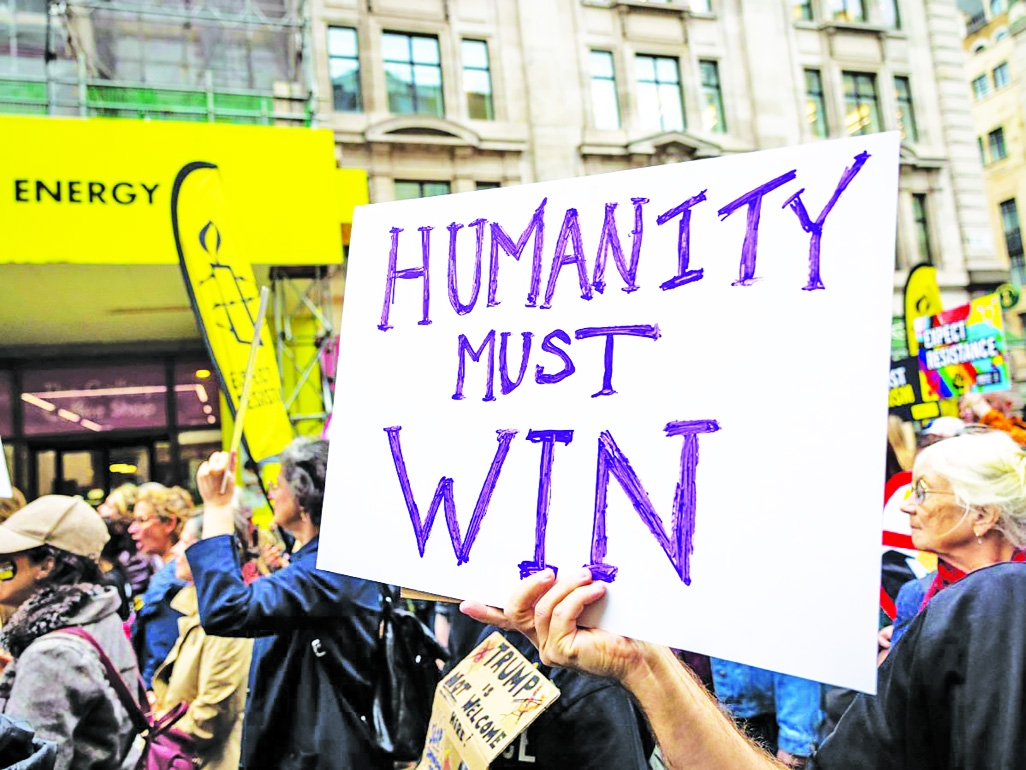
Women and marginalized communities frequently face injustice and violence. Artists and poets can bring these neglected realities to public attention. Through paintings photographs stories and poems they can give a voice to people whose suffering often remains unnoticed. -AA
Arpita Nowrin Mou
Art and poetry have always played a significant role in shaping human civilization. Beyond entertainment and aesthetic pleasure they serve as powerful instruments for educating people about humanity, compassion, tolerance, peace, justice and moral values. In a world increasingly troubled by violence, discrimination, inequality and social conflicts the importance of artistic expression and poetry as tools for promoting humanity has become more significant than ever.
Humanity is not simply about being human by birth. It is about developing qualities such as kindness, sympathy, generosity, respect and responsibility toward others. These values cannot always be taught effectively through textbooks or formal lectures. Sometimes a painting, a sculpture, a song or a few lines of poetry can touch people's hearts more deeply than lengthy speeches. Artistry and poetry have the unique ability to communicate emotions and experiences that transcend language, religion, nationality and cultural boundaries.
Throughout history great artists and poets have used their creative abilities to inspire people and challenge injustice. Their works have reflected the suffering of ordinary people and exposed the cruelty of war and oppression. Through powerful images and meaningful words they have encouraged societies to reconsider their attitudes toward others. Their contributions demonstrate that creativity can become a powerful voice for humanity.
In Bangladesh art and poetry have a particularly important place in the nation's cultural and historical identity. The country's struggle for independence in 1971 was accompanied by powerful artistic expressions that reflected the courage and suffering of its people. Songs poems paintings and theatrical performances played an important role in inspiring freedom fighters and strengthening the spirit of resistance against oppression. These artistic contributions helped preserve national identity and communicate the people's desire for freedom and dignity.
The works of national poet Kazi Nazrul Islam offer remarkable lessons about humanity. His poetry strongly opposed injustice and discrimination while promoting equality and religious harmony. He believed in a society where people would be judged by their humanity rather than their religion or social background. His famous poem "Samyabadi" reflects his commitment to equality and the dignity of all people. His writings continue to inspire generations to stand against oppression and embrace universal human values.
Similarly Rabindranath Tagore's literary and artistic contributions have enriched human thought across generations. His poems and songs emphasize love nature freedom and the spiritual connection among human beings. His works encourage readers to develop an open mind and recognize the beauty of human diversity. Tagore's philosophy teaches that true education should develop the mind and the heart rather than simply provide academic knowledge.
Poetry is particularly effective in communicating humanitarian messages because it combines emotion imagination and thought. A meaningful poem can describe the pain of a hungry child the loneliness of an elderly person or the suffering of people displaced by war. Such expressions encourage readers to imagine themselves in the position of others. This ability to understand another person's feelings is the foundation of empathy.
In today's world millions of people continue to suffer from poverty hunger discrimination and armed conflicts. Refugees are forced to leave their homes while children in many regions are deprived of education and basic healthcare. Women and marginalized communities frequently face injustice and violence. Artists and poets can bring these neglected realities to public attention. Through paintings photographs stories and poems they can give a voice to people whose suffering often remains unnoticed.
Art can also promote religious tolerance and cultural understanding. Bangladesh is a country with diverse religious and cultural traditions. People belonging to different communities have lived together for generations while contributing to the nation's social and cultural development. Artistic activities such as poetry festivals musical performances painting exhibitions and cultural celebrations can strengthen mutual respect among these communities. When people appreciate one another's traditions they become more willing to reject prejudice and discrimination.
Educational institutions should recognize the importance of art and poetry in developing humane citizens. Unfortunately many schools and colleges place excessive emphasis on examinations and academic results while giving limited attention to creative activities. Students are often encouraged to memorize information rather than express their thoughts and emotions. Such an approach may produce academically successful individuals without necessarily developing their social awareness or moral responsibilities.
Schools should therefore organize regular poetry recitation competitions art exhibitions literary discussions drama performances and cultural programs. Students should be encouraged to write poems about peace equality environmental protection and social justice. They should also have opportunities to express their feelings through drawing painting music and other creative activities. These experiences can help them develop confidence imagination and sensitivity toward the problems of society.
Teachers and parents also have an important responsibility in this regard. They should encourage children to read meaningful literature and appreciate different forms of artistic expression. Instead of judging creativity only by technical excellence they should help young learners understand the messages and emotions behind artistic works. A child's simple drawing about kindness or a short poem about friendship may reflect an important stage of moral development.
Modern technology has created additional opportunities for spreading humanitarian messages through artistic expression. Social media platforms and digital publishing services allow young artists and poets to share their creations with audiences around the world. Digital illustrations short films spoken-word performances and online poetry communities can reach millions of people within a short period. However creators should use these platforms responsibly and promote messages that encourage understanding rather than hatred.
Artistic expression can also contribute to mental and emotional well-being. Writing poetry painting and participating in creative activities allow people to express emotions that may otherwise remain hidden. For individuals experiencing loneliness grief or psychological distress artistic engagement can provide comfort and a sense of connection. Community art projects can also bring people together and create opportunities for cooperation and mutual support.
Nevertheless art and poetry alone cannot eliminate all social problems. Poverty discrimination and violence require practical action through education sound governance social protection and effective laws. However artistic expression can create the awareness and moral commitment necessary for meaningful social change. It can encourage individuals to question injustice and motivate communities to work toward a more compassionate society.
Writers artists and cultural organizations should therefore take a stronger role in promoting humanitarian values. They should create works that reflect the realities of ordinary people and encourage audiences to think beyond personal interests. Governments and private institutions should also provide financial and institutional support for libraries cultural centers art schools and literary organizations. Greater opportunities should be created for young and emerging artists to develop their talents and communicate their ideas.
Ultimately the true value of art and poetry lies not only in their beauty but also in their ability to awaken human conscience. A powerful poem can inspire kindness while a meaningful painting can remind people of the suffering of others. These creative expressions can teach lessons that remain in people's hearts long after they have experienced them.
A civilized society needs educated minds as well as compassionate hearts. Academic knowledge may help people achieve professional success but humanity teaches them how to live responsibly with others. Therefore art and poetry should be considered essential parts of education and social development rather than merely forms of entertainment. By encouraging creativity and appreciating humanitarian messages Bangladesh can help develop a generation that values peace equality dignity and mutual respect. Indeed artistry and poetry have the power to make the world more humane because they teach people not only how to see beauty but also how to recognize humanity in every individual.
Arpita Nowrin Mou is a woman entrepreneur
and a social welfare organizer.


